
Where Paris Haute Couture Encounters Tennis Heritage
Casablanca Paris was founded on the notion that the most refined moments in sport unfold not during the competition itself but in the areas around it—the courtside terrace, the changing room, the after-match dinner. Creative director Charaf Tajer drew from his own memories splitting time between Parisian cultural scene and Moroccan warmth to build a brand that approaches tennis as a aesthetic and cultural universe rather than a athletic discipline. Since its first collection in 2018, Casablanca Paris created a tie to courtside life through silk shirts embellished with rackets, tennis nets and rich botanical motifs. This was not performance gear; it was a reimagining of the athletic lifestyle reinterpreted through premium materials and elegant illustration. By rooting the label in tennis tradition, Tajer drew upon a storied tradition of elegance: think of the white flannels of 1930s athletes, the striped canopies of Roland-Garros and the après-match culture that envelops Grand Slam tournaments. In 2026, this tennis identity serves as the creative foundation of every Casablanca Paris line, even as the brand develops tailoring, outerwear and finishing pieces that go well beyond the court.
The Tennis Visual Identity in Casablanca Paris Seasons
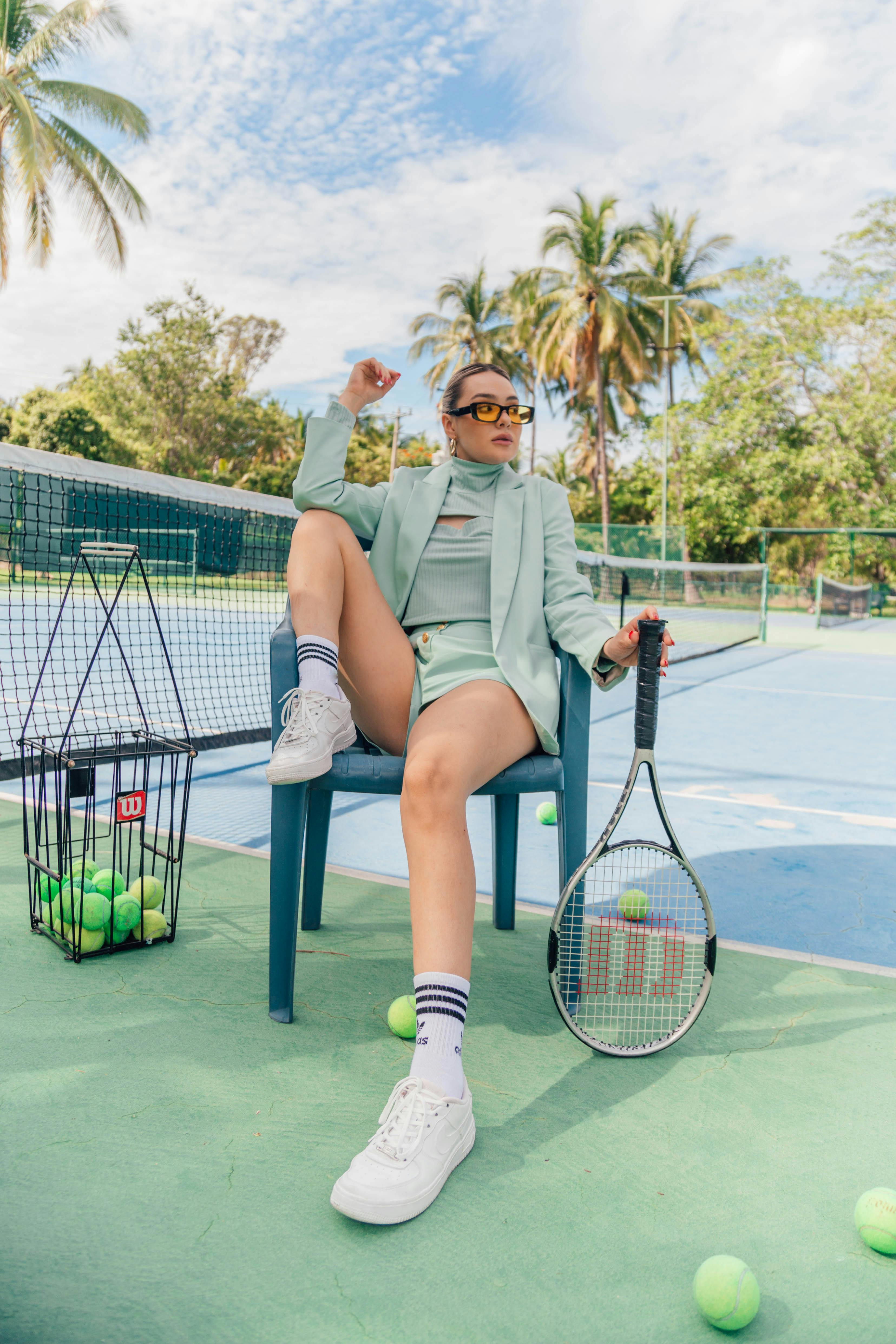
Tennis offers Casablanca Paris with a natural design language that is both defined and globally compelling. Clay-court reds, grass-court greens, net-white stripes and sun-yellow details flow through seasonal palettes, lending each collection a sport-inspired cadence. Illustrations portray tournaments, spectators, cups and Mediterranean courts crafted in a artistic, slightly nostalgic approach that steers clear of straightforward sportswear design. Logo crests adopt the club-crest format of dreamed-up tennis clubs, evoking a casablanca paris clothing brand sense of community and distinction without copying any real organisation. Knitwear regularly incorporates cable-stitch or woven patterns recalling classic tennis pullovers, while collared shirts and polo designs nod directly to game-day attire. Terry cloth—a fabric associated with sideline linens and wristbands—features in shorts, robes and informal tops, deepening the tactile connection to tennis. Even accessories like caps, visors and wristbands feature the Casablanca Paris crest, transforming utilitarian items into collectible identity tokens. This multi-faceted method means that the tennis motif comes across as genuine and growing rather than monotonous, keeping customers engaged across successive seasons in 2026 and beyond. Accessories such as a crest cap or woven belt can strengthen the sporting energy without creating visual weight to the outfit.
Standout Tennis-Inspired Items Across Seasons
| Garment | Tennis Inspiration | Typical Fabric | Price Range (2026) |
|---|---|---|---|
| Silk illustrated shirt | Courtside viewer | Mulberry silk | $700–$1 200 |
| Terry shorts | Club locker room | Cotton terry | $350–$500 |
| Knit polo | Game-day uniform | Merino / cotton blend | $400–$650 |
| Track jacket | Pre-match garment | Satin / tricot | $600–$900 |
| Logo cap | Sun protection on court | Cotton twill | $150–$250 |
| Crest-embroidered sweatshirt | Club identity | Premium fleece | $450–$700 |
Why Tennis Culture Resonates With High-End Buyers
Tennis has for decades been associated with wealth, prestige and cultural sophistication, making it a perfect match for premium clothing. Private clubs, exclusive courts and prestigious competitions establish environments where style, etiquette and aesthetics come together. Unlike contact sports that focus on force, tennis values grace, finesse and self-expression—qualities that match perfectly with the values of upscale fashion labels. Casablanca Paris harnesses this cultural currency by delivering clothing that envision an dreamed-up vision of the tennis universe: endlessly sunny, consistently convivial, unfailingly dressed impeccably. This alluring picture appeals to shoppers who may never play competitive tennis but who admire the way of life it represents. In 2026, as well-being and athletics increasingly cross into style, the tennis reference appears even more significant. Competitions like Wimbledon, the US Open and Roland-Garros persist in draw celebrity interest and editorial coverage, bolstering the link between tennis and style. Casablanca Paris thrives in this environment by presenting itself as the go-to label for people who desire to seem as though they belong at the most exclusive clubs in the world, whether they swing a racket or not.
How Casablanca Paris Sets Itself Apart From Other Tennis-Inspired Fashion Lines
Various fashion houses have explored tennis references over the years, from Ralph Lauren’s Wimbledon collections to Lacoste’s classic line and Nike’s runway-adjacent performance lines. What sets Casablanca Paris different is the degree of its focus on the aesthetic and its refusal to make technical sportswear. While other houses may release a capsule collection themed around tennis every few seasons, Casablanca Paris constructs its entire identity around the sport. Every season includes pieces that could plausibly be found in a imaginary tennis club from the 1970s, reimagined with contemporary hues, artworks and silhouettes. The label never makes genuine performance tennis clothing—there are no performance fabrics, no tournament-level shoes—which ensures the spotlight on fantasy and lifestyle rather than function. This difference is crucial because it places Casablanca Paris alongside luxury houses rather than sports brands, justifying steeper price points and more complex craftsmanship. In 2026, other labels keep on launch occasional tennis-themed collections, but none have woven the motif as completely into their DNA as Casablanca Paris, granting the label a creative upper hand that is difficult to replicate.
Wearing Casablanca Paris With a Tennis Vibe in 2026
To introduce the Casablanca Paris tennis vibe into daily looks, start with one focal piece that displays an unmistakable sporting nod—a patterned silk shirt, a terry pair of shorts, or a knit polo—and build the rest of the ensemble around it with understated pieces. For men, combining a silk shirt with pressed cream pants and suede loafers yields a elegant evening-out or holiday outfit that recalls the after-match gathering. For women, wearing a Casablanca polo tucked into a flared midi skirt with comfortable sandals creates a sport-luxe ensemble suitable for urban lunches and museum outings. Layering is also impactful: put a track jacket over a clean T-shirt and jeans to bring a burst of vibrancy and athletic spirit without committing to full costume. During autumn and winter, a knit or sweatshirt with a understated tennis crest can be worn under a trench or blazer, providing cosiness and charm to a smart casual ensemble. The guiding principle is subtlety—let the Casablanca Paris garment command attention while the rest of the look offers a calm foundation. This balance keeps the tennis nod elegant rather than costume-like.
The Cultural Significance and Future of Casablanca Paris Tennis Fashion
Beyond garments, Casablanca Paris has contributed to a more expansive cultural moment in which tennis is embraced anew as a cultural symbol for a newer, more multicultural audience. Digital campaigns presenting athletes, artists and performers wearing the brand have expanded the influence of tennis fashion beyond historic country-club demographics. Pop-up shops at grand slam events, exclusive releases timed to Grand Slams and collaborations with tennis federations keep the label creatively engaged in tennis environments. In 2026, the reach of Casablanca Paris is noticeable not only in its own commercial success but in the broader fashion industry’s renewed fascination with athletic-elegant clothing and leisure sport. Other fashion brands have started weaving in racket motifs, pleated skirts and terry textiles into their collections, a development that can be traced in part to the blueprint Casablanca Paris pioneered. For buyers, this signals more choices and more appreciation of tennis-inspired fashion in routine dressing. For the brand itself, the goal is to push boundaries within its defining territory so that it remains the definitive voice of luxury tennis culture rather than one of many. Given Charaf Tajer’s deep personal tie to the subject and the label’s proven ability of thoughtful evolution, Casablanca Paris looks set to retain that place for years to come. For more on the convergence of tennis and fashion, see editorial features at Vogue and Highsnobiety.